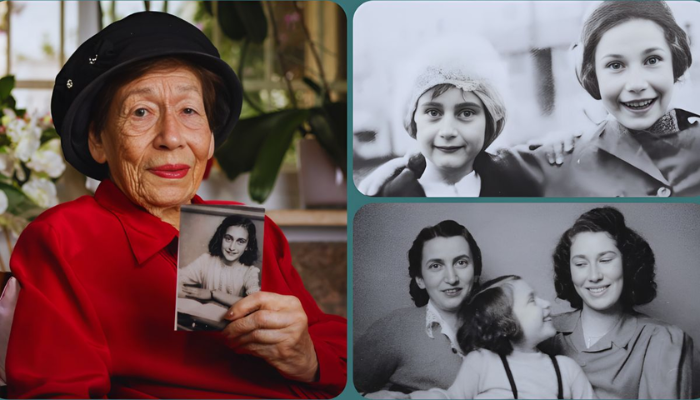
Gabi Goslar is a name that resonates deeply with readers and historians seeking a more personal understanding of Anne Frank’s world. While Anne Frank’s diary has become one of the most important historical documents of the 20th century, the lives of those closest to her have often remained in the background. Gabi Goslar, however, represents a living bridge between Anne Frank’s early life, the horrors of the Holocaust, and the responsibility of remembrance after World War II.
Born into a Jewish family in Germany and later living in the Netherlands, Gabi Goslar shared a childhood friendship with Anne Frank that would later become historically significant. Their bond, interrupted by Nazi persecution and concentration camps, symbolizes both the fragility and resilience of human connections in times of unimaginable cruelty. Today, Gabi Goslar is remembered not only as Anne Frank’s friend but also as a witness whose life story enriches our understanding of history.
Gabi Goslar’s Early Life and Background
Gabi Goslar was born into a German-Jewish family during a period of growing political instability in Europe. As anti-Semitic policies intensified in Nazi Germany, her family, like many others, sought safety beyond its borders. They eventually relocated to the Netherlands, a country that initially offered relative security to Jewish refugees. This move would shape the course of Goslar’s childhood and introduce her to Anne Frank.
In Amsterdam, Gabi Goslar attended school and integrated into a close-knit community of Jewish families. It was during this time that she formed a friendship with Anne Frank, a bright and spirited girl with a love for writing. Their early years together were marked by school routines, shared laughter, and innocent dreams—moments of normalcy that would soon be shattered by war and occupation.
The German invasion of the Netherlands in 1940 drastically changed life for Jewish families. Anti-Jewish laws restricted education, movement, and personal freedoms. For Gabi Goslar, these changes meant growing up too fast, forced to understand fear, loss, and discrimination at an age when childhood should have been carefree.
Gabi Goslar and Her Friendship With Anne Frank
The friendship between Gabi Goslar and Anne Frank began in school and developed naturally through shared experiences. They were classmates, neighbors, and companions navigating the uncertainties of wartime Europe. Anne’s energetic personality and Gabi’s thoughtful nature complemented each other, creating a bond that felt ordinary at the time but would later carry immense historical weight.
When Anne Frank’s family went into hiding in 1942, Gabi Goslar did not initially know what had happened to her friend. Like many Jewish families, she assumed Anne and her family had fled or been relocated. The sudden disappearance of Anne marked a painful rupture, leaving Gabi with unanswered questions and lingering worry.
Years later, in a cruel twist of fate, the two friends would briefly reconnect under horrific circumstances. Both were deported to concentration camps, and Gabi encountered Anne at Bergen-Belsen. Their emotional exchange—shouting messages over a fence, sharing scraps of food—became one of the last known interactions Anne Frank had before her death. This moment has since become a powerful testament to friendship enduring even in the darkest conditions.
Life During the Holocaust and Survival
Gabi Goslar’s Holocaust experience was marked by fear, deprivation, and loss. After arrest and deportation, she endured transport to concentration camps where survival depended on resilience, luck, and the support of others. The camps were places of extreme hunger, disease, and psychological trauma, conditions that forever changed those who lived through them.
Unlike Anne Frank, Gabi Goslar survived Bergen-Belsen. Her survival, however, came at a profound cost. Family members were lost, childhood innocence was destroyed, and the trauma of witnessing mass suffering remained long after liberation. Survival did not mean the end of pain—it marked the beginning of a lifelong process of remembrance and healing.
After the war, Goslar faced the difficult task of rebuilding her life in a world forever altered. Like many survivors, she carried the responsibility of memory, understanding that her experiences were not only personal but historically significant. Her survival allowed her to become a voice for those who could no longer speak.
Gabi Goslar’s Life After World War II
In the years following World War II, Gabi Goslar emigrated to Israel, where she built a new life. This transition symbolized both an ending and a beginning: leaving behind the physical remnants of Europe while carrying emotional memories that could never be left behind. In Israel, she focused on family, education, and rebuilding stability.
As Anne Frank’s diary gained global recognition, interest in Goslar’s story grew. She was often asked to share her memories of Anne, especially their final encounter at Bergen-Belsen. While emotionally challenging, Goslar recognized the importance of these testimonies in preserving historical truth and combating Holocaust denial.
Through interviews and public speaking, Gabi Goslar contributed to Holocaust education worldwide. Her recollections provided context and humanity to Anne Frank’s story, reminding audiences that Anne was not just a symbol, but a real girl with real friendships, fears, and hopes.
Historical Importance and Cultural Legacy of Gabi Goslar
Gabi Goslar’s historical significance lies not in fame, but in authenticity. Her life story complements Anne Frank’s diary by offering an external perspective—what happened beyond the pages Anne wrote. Through Goslar’s memories, historians gain insight into Anne’s personality, friendships, and final days.
Her testimony has been used in documentaries, educational programs, and historical research. By sharing what she witnessed, Goslar helped humanize the Holocaust, moving it beyond statistics into lived experience. Her voice reinforces the importance of personal narratives in understanding large-scale historical tragedies.
Today, Gabi Goslar is remembered as a survivor, a witness, and a guardian of memory. Her life demonstrates how individual stories shape collective history and why remembering the past is essential to preventing future atrocities.
Conclusion
Gabi Goslar’s life story is one of friendship, survival, and responsibility. As Anne Frank’s childhood friend and one of the last people to see her alive, Goslar holds a unique place in Holocaust history. Her experiences illuminate the human connections behind historical events, reminding us that history is lived by individuals, not just recorded in books.
Through resilience and courage, Gabi Goslar transformed personal tragedy into a lasting contribution to global memory. Her story continues to educate, inspire, and warn future generations about the consequences of hatred and the enduring power of human connection.
Frequently Asked Questions (FAQs)
1. Who is Gabi Goslar?
Gabi Goslar was a German-Jewish Holocaust survivor and childhood friend of Anne Frank.
2. How did Gabi Goslar know Anne Frank?
They were classmates and friends in Amsterdam before Anne Frank went into hiding.
3. Did Gabi Goslar survive the Holocaust?
Yes, she survived Bergen-Belsen concentration camp.
4. Where did Gabi Goslar meet Anne Frank after arrest?
She briefly reunited with Anne Frank at Bergen-Belsen concentration camp.
5. What happened to Gabi Goslar after World War II?
She emigrated to Israel and rebuilt her life there.
6. Why is Gabi Goslar historically important?
Her testimony provides firsthand insight into Anne Frank’s life and final days.
7. Did Gabi Goslar write a book?
Her story has been shared through interviews and historical accounts rather than a personal diary.
8. Was Gabi Goslar older than Anne Frank?
Yes, she was slightly older than Anne Frank.
9. How does Gabi Goslar contribute to Holocaust education?
Through public speaking and interviews, she shared survivor testimony worldwide.
10. Why is Gabi Goslar’s story still relevant today?
Her life highlights the importance of remembrance, tolerance, and learning from history.