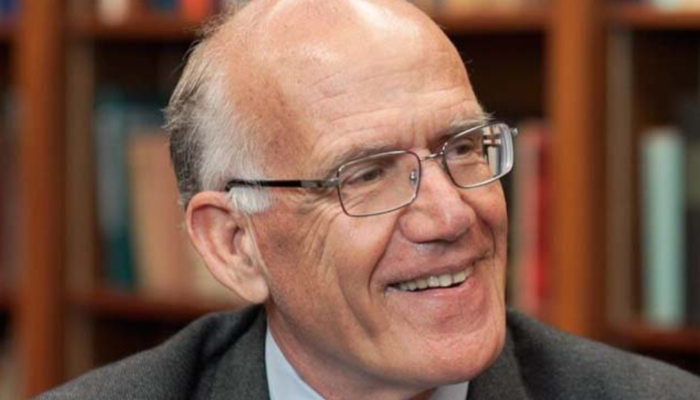
The phrase “victor davis hanson accident” has recently become a widely searched topic online, sparking curiosity among readers, political followers, and fans of the well-known historian and commentator. Whenever a public intellectual gains widespread attention, rumors and speculation can spread rapidly across social media and blogs. In the case of Victor Davis Hanson, many people are searching to determine whether an accident actually occurred, what the facts are, and why the subject has become so popular in online discussions.
As a respected historian, author, and political analyst, Victor Davis Hanson has spent decades influencing public debate through books, interviews, and commentary. Because of his public profile, even minor rumors can quickly evolve into major search trends. This article explores the background behind the “victor davis hanson accident” keyword, examines public reactions, analyzes how internet speculation develops, and explains why accurate information matters in the digital age.
The Rise of Searches About Victor Davis Hanson Accident
Search engines often reflect public curiosity, and the growing interest in “victor davis hanson accident” demonstrates how quickly online discussions can gain momentum. Many internet users encounter trending phrases on social media platforms and immediately begin searching for details. In numerous cases, these trends emerge without verified reports or official confirmations. This creates an environment where speculation can overshadow facts.
For public figures like Victor Davis Hanson, even a small mention online can lead to thousands of searches within hours. Readers may wonder whether the person was injured, involved in a vehicle incident, or facing health-related challenges. However, internet trends do not always originate from confirmed news stories. Sometimes they develop because of misinterpretations, misleading headlines, or reposted social media content.
Another important factor behind these searches is the intense public interest surrounding modern political commentators. Victor Davis Hanson is widely known for his strong opinions on culture, politics, history, and international affairs. His commentary often generates passionate responses from supporters and critics alike. As a result, any rumor involving his personal life naturally attracts attention from multiple audiences.
The digital media environment also encourages sensationalism. Websites competing for traffic may publish dramatic titles designed to attract clicks, even when little verified information exists. This phenomenon contributes significantly to the popularity of phrases such as “victor davis hanson accident.” Readers should therefore approach viral topics carefully and verify claims through reliable reporting rather than relying solely on trending headlines.
Who Is Victor Davis Hanson and Why Does Public Interest Matter?
To understand why the “victor davis hanson accident” topic has generated attention, it helps to examine the influence of Victor Davis Hanson himself. Hanson is an American historian, classicist, author, and political analyst known for his expertise in military history and ancient civilizations. Over the years, he has become a prominent public voice through books, articles, podcasts, and television appearances.
His writing often explores themes related to Western civilization, democracy, warfare, and political culture. Because of this broad influence, he has built a dedicated readership that closely follows his work and public appearances. Whenever someone with such visibility becomes associated with rumors or controversy, online attention naturally increases.
Another reason public interest matters is the emotional connection audiences develop with public intellectuals. Many readers feel personally invested in the well-being of figures whose commentary shapes their worldview. When rumors involving accidents or health concerns appear online, supporters often rush to confirm whether the information is accurate.
At the same time, critics and commentators may amplify speculation for political or social reasons. In today’s highly polarized environment, public figures frequently become the center of viral narratives. This means that even unverified stories can spread widely before accurate reporting catches up.
The “victor davis hanson accident” keyword illustrates how quickly digital conversations evolve. It also highlights the importance of media literacy. Readers must distinguish between factual reporting, opinion pieces, social media rumors, and intentionally misleading content. Understanding this distinction helps audiences avoid confusion and misinformation.
How Online Rumors About Public Figures Spread So Quickly
The internet has dramatically changed the speed at which information travels. In earlier decades, rumors about public figures typically spread through newspapers, television broadcasts, or word of mouth. Today, social media platforms allow speculation to circulate globally within minutes. This rapid sharing plays a major role in the popularity of searches related to “victor davis hanson accident.”
One reason rumors spread quickly is algorithmic amplification. Social media platforms prioritize content that generates engagement, including reactions, comments, and shares. Emotional or shocking topics naturally attract attention, causing algorithms to push them to even larger audiences. As a result, rumors involving accidents or personal crises can trend rapidly, regardless of accuracy.
Another contributing factor is the rise of short-form content. Headlines and brief social media posts often omit context, leaving readers with incomplete information. For example, a vague statement mentioning Victor Davis Hanson and an “incident” could easily be interpreted as a serious accident, even if no evidence supports the claim.
Content creators also benefit financially from viral topics. Some websites publish speculative articles primarily to capture search traffic. By targeting phrases like “victor davis hanson accident,” they attract readers searching for answers. Unfortunately, this practice can blur the line between legitimate journalism and sensational click-driven content.
Misinformation spreads especially fast when audiences already feel emotionally connected to the individual involved. Followers may repost rumors out of concern, while critics may share them out of curiosity or political disagreement. In both cases, the information circulates rapidly before verification occurs.
This situation highlights the growing importance of digital responsibility. Readers should seek information from credible news organizations, official statements, and trusted interviews. Verifying facts before sharing content helps reduce confusion and protects public discourse from unnecessary speculation.
Public Reactions to the Victor Davis Hanson Accident Topic
Whenever rumors involving well-known personalities emerge, public reaction becomes a major part of the story. The online response to “victor davis hanson accident” reflects how audiences engage emotionally with influential commentators and historians. Many users searched the phrase simply because they wanted reassurance regarding Hanson’s safety and well-being.
Supporters of Victor Davis Hanson frequently express admiration for his intellectual contributions and political commentary. Because of this loyal audience, even unverified rumors can create concern. Social media discussions often include messages asking whether reports are true or requesting updates from reliable sources.
At the same time, internet culture encourages rapid speculation. Some users immediately assume that trending searches must be connected to breaking news, while others treat rumors as entertainment. This mixture of concern, curiosity, and speculation fuels ongoing engagement around viral keywords.
Media commentators also play a role in shaping public perception. Discussions about Victor Davis Hanson often extend beyond personal matters into broader political conversations. Since Hanson is a recognized conservative commentator, online reactions may become politically charged, further increasing visibility for related search terms.
Interestingly, search trends themselves can amplify rumors. When people notice that many others are searching for “victor davis hanson accident,” they may assume an important event occurred. This creates a feedback loop where curiosity alone sustains the trend, even without confirmed developments.
The situation demonstrates how digital audiences consume information differently today compared to previous generations. Public figures exist in a constant cycle of visibility where rumors, discussions, and search trends interact continuously. Understanding this process is essential for navigating modern media responsibly.
Why Accurate Information Matters in the Digital Age
The widespread interest in “victor davis hanson accident” serves as an important reminder about the value of accuracy in online communication. In a fast-moving digital world, misinformation can influence public perception before verified facts become available. This makes responsible reporting and critical thinking more important than ever.
False or exaggerated rumors can have real consequences for individuals and families. Public figures may face unnecessary stress, reputational damage, or invasive speculation. Audiences also suffer because repeated exposure to unreliable information weakens trust in media institutions and online discussions.
One solution is improved media literacy. Readers should evaluate the credibility of sources, examine whether claims are supported by evidence, and avoid sharing information without confirmation. Simple habits such as checking publication dates, reading beyond headlines, and comparing multiple sources can greatly reduce the spread of misinformation.
Another important consideration is the role of search engine optimization and viral content creation. Some websites intentionally target high-volume keywords like “victor davis hanson accident” to increase traffic. While SEO itself is not harmful, misleading articles designed purely for clicks can create confusion among readers seeking factual information.
Responsible journalism remains essential in this environment. Credible reporting prioritizes verification, transparency, and context rather than sensationalism. Readers who support trustworthy sources help strengthen the quality of public discourse online.
Ultimately, the popularity of the “victor davis hanson accident” keyword reveals more than simple curiosity. It reflects the broader challenges of information sharing in the digital era. As audiences continue relying on the internet for news and updates, critical thinking and careful verification will remain crucial skills.
Conclusion
The online interest surrounding “victor davis hanson accident” highlights how quickly rumors and speculation can spread in the modern media landscape. As a respected historian and political commentator, Victor Davis Hanson naturally attracts public attention, making any trending topic involving his name highly visible across search engines and social media platforms.
While curiosity is understandable, it is important for readers to approach viral stories carefully and prioritize verified information over speculation. The digital age has created unprecedented access to information, but it has also increased the speed at which misinformation can circulate. By practicing media literacy and relying on credible reporting, audiences can better navigate online discussions and avoid confusion.
The broader lesson extends beyond one individual or one rumor. The “victor davis hanson accident” trend demonstrates how internet culture, social media algorithms, and public curiosity interact to shape modern conversations. As technology continues evolving, responsible information sharing will remain essential for maintaining trust and accuracy in public discourse.
FAQs
1. Who is Victor Davis Hanson?
Victor Davis Hanson is an American historian, author, and political commentator known for his work on military history, classical studies, and politics.
2. Why are people searching for “victor davis hanson accident”?
Many people are searching the phrase due to online rumors, trending discussions, and public curiosity regarding possible incidents involving him.
3. Was Victor Davis Hanson involved in a confirmed accident?
There has been significant online speculation, but readers should rely on verified sources for accurate information regarding any confirmed events.
4. Why do rumors about public figures spread quickly?
Social media algorithms, viral headlines, and public curiosity contribute to the rapid spread of online rumors.
5. What is Victor Davis Hanson famous for?
He is widely recognized for his books, political commentary, and expertise in ancient warfare and Western civilization.
6. How can readers verify information online?
Readers should check reliable news organizations, official statements, and multiple trusted sources before believing or sharing information.
7. Does SEO contribute to viral search trends?
Yes. Websites often optimize content around trending keywords, which can increase visibility for certain topics online.
8. Why do public intellectuals attract so much online attention?
Public intellectuals influence political and cultural debates, making audiences highly interested in their opinions and personal lives.
9. What role does social media play in spreading speculation?
Social media platforms rapidly amplify emotionally engaging content, including rumors and unverified reports.
10. What can we learn from the “victor davis hanson accident” trend?
The trend demonstrates the importance of media literacy, critical thinking, and responsible information sharing in the digital age.