The phrase “why does ozdikenosis kill you” has gained attention online, but there is an important scientific clarification: ozdikenosis is not a recognized medical condition in any official medical literature, disease registry, or clinical research database. This means there is no confirmed biological, pathological, or epidemiological explanation for it.
However, the curiosity behind the keyword reflects a broader interest in understanding why certain severe diseases lead to death. In medical science, death from disease usually occurs due to organ failure, overwhelming infection, or systemic breakdown of vital bodily functions. This article explores the concept behind the keyword, clarifies misconceptions, and explains how real fatal diseases work in the human body.
By examining the question “why does ozdikenosis kill you”, we can better understand how dangerous illnesses actually cause death, and why fictional or unverified conditions should always be interpreted carefully through a scientific lens.
Is Ozdikenosis a Real Disease or a Fictional Concept?
The first and most important step in answering why does ozdikenosis kill you is establishing medical validity. As of current global medical knowledge, ozdikenosis does not exist in recognized scientific literature, including pathology references, WHO classifications, or peer-reviewed journals.
This strongly suggests that “ozdikenosis” is either a fictional term, a misspelling, or a concept originating from internet speculation rather than clinical science. Because of this, any claim about its symptoms, causes, or fatal mechanisms is not evidence-based.
When people ask why does ozdikenosis kill you, they are often unknowingly engaging with a concept that lacks real biological grounding. In medicine, diseases are studied through observable evidence such as tissue damage, microbial presence, genetic mutations, or biochemical imbalance. None of these have been associated with ozdikenosis.
How Fatal Diseases Actually Cause Death in the Human Body
Even though ozdikenosis itself is not medically recognized, the question why does ozdikenosis kill you can be understood by examining how real diseases lead to death. In general, diseases kill by disrupting essential life-sustaining systems in the body.
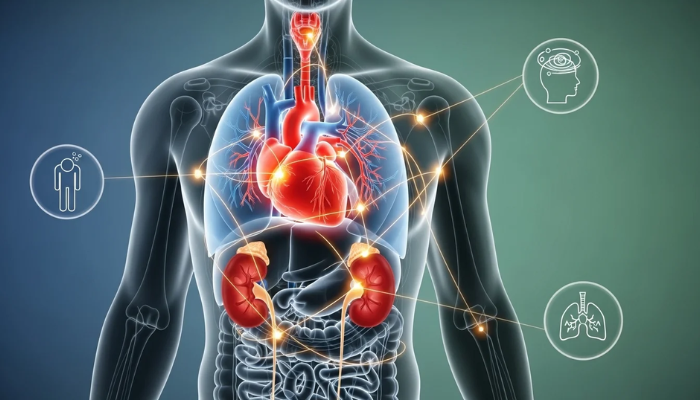
One of the most common mechanisms is organ failure. When vital organs like the heart, lungs, liver, or kidneys stop functioning properly, the body can no longer maintain homeostasis. For example, respiratory failure prevents oxygen from reaching tissues, while cardiac failure stops blood circulation entirely.
Another major pathway is systemic infection or sepsis, where the immune system overreacts to infection, causing widespread inflammation and tissue damage. This can rapidly lead to multiple organ failure and death if not treated promptly.
So, when interpreting why does ozdikenosis kill you, the realistic answer would depend on whether a real disease is involved—but in all real cases, death results from breakdown of essential physiological systems.
The Role of Toxins, Cellular Damage, and Immune Collapse
In many severe illnesses, death occurs at the cellular level. If we apply scientific reasoning to the question why does ozdikenosis kill you, we can examine how toxins or cellular dysfunction could theoretically harm the body.
Some diseases produce toxins that directly damage cells, disrupting energy production in mitochondria or breaking down cell membranes. When enough cells are destroyed, tissues begin to fail, especially in high-demand organs like the brain and heart.
Another key factor is immune system collapse or overactivation. A weakened immune system cannot fight infections, while an overactive immune response can damage healthy tissue. Both extremes can be fatal if not controlled.
So, even though ozdikenosis itself is not real, the question why does ozdikenosis kill you can be interpreted as an exploration of how cellular damage and immune imbalance lead to death in real medical conditions.
Neurological Failure and Systemic Breakdown in Severe Illness
The brain plays a central role in sustaining life, and many fatal conditions involve neurological failure. If we continue analyzing why does ozdikenosis kill you, one possible framework is understanding how brain dysfunction leads to systemic collapse.
When the brainstem is damaged, essential functions like breathing, heart rate regulation, and consciousness are affected. Even if other organs are functioning, brain failure alone can result in death.
Additionally, some diseases cause widespread inflammation that affects the nervous system, leading to seizures, coma, or loss of autonomic control. This systemic breakdown is often irreversible without immediate medical intervention.
In this context, the idea behind why does ozdikenosis kill you can be mapped onto real neurological conditions that disrupt the body’s central control systems, ultimately leading to fatal outcomes.
Why Misleading Medical Terms Can Spread Online
A key part of understanding why does ozdikenosis kill you is recognizing how non-medical or fictional terms spread on the internet. In many cases, unusual disease names appear in forums, social media posts, or speculative discussions without scientific validation.
These terms can create confusion because they often sound medically plausible. However, without clinical evidence, laboratory confirmation, or epidemiological data, they cannot be treated as real diseases.
The spread of such terms highlights the importance of verifying medical information through trusted sources. When people search why does ozdikenosis kill you, they may unknowingly be engaging with misinformation or fictional concepts rather than real science.
Understanding how misinformation spreads helps prevent misunderstanding and encourages more accurate health literacy in the digital age.
Conclusion: The Real Answer Behind “Why does ozdikenosis kill you”
In conclusion, ozdikenosis is not a medically recognized disease, and therefore there is no scientifically valid explanation for why it would cause death. The keyword “why does ozdikenosis kill you” reflects curiosity, but it is based on a concept that lacks clinical evidence.
However, by examining how real diseases cause death—through organ failure, immune dysfunction, cellular damage, and neurological collapse—we can understand the biological principles that lead to fatal outcomes in actual medical conditions.
Ultimately, the most important takeaway is that accurate medical understanding depends on verified scientific research. Fictional or unverified disease names should always be approached critically and carefully.
FAQs
1. Is ozdikenosis a real disease?
No, ozdikenosis is not recognized in any official medical or scientific database.
2. Why do people search “why does ozdikenosis kill you”?
It is likely due to online trends, curiosity, or fictional discussions about diseases.
3. Can ozdikenosis be deadly?
There is no evidence that it exists, so it cannot be medically evaluated as deadly.
4. What actually causes death in real diseases?
Common causes include organ failure, infections, cancer progression, and neurological collapse.
5. Could ozdikenosis be a fictional illness?
Yes, it appears to be a fictional or non-medical term.
6. How do doctors identify real diseases?
Through clinical symptoms, lab tests, imaging, and peer-reviewed medical research.
7. Why is misinformation about diseases dangerous?
It can cause confusion, fear, and misunderstanding about real health conditions.
8. What is sepsis and how is it related to fatal illness?
Sepsis is a life-threatening immune response to infection that can lead to organ failure.
9. Can the brain cause death if it fails?
Yes, brain failure can stop essential body functions like breathing and heartbeat regulation.
10. How should I verify medical information online?
Always rely on trusted medical sources, healthcare professionals, and scientific publications.